


Working arrangements around the world have evolved since the start of the COVID-19 pandemic, forcing companies to embrace a hybrid operation model where employees get to work remotely. Even as economies open up and countries learn to live with the virus, businesses are still allowing their staff to work from the comforts of their residence. Due to this shift, many people have discovered the need for a dedicated workspace at home. Let us share with you some essential furniture pieces to have in your home office.
Learn More: How You Can Optimise Your Home Office For The New Normal
1) Computer Table
Computer tables, or office desks, are the main part of any office, serving as an anchor for your interior design while providing a sturdy work surface. Aside from aesthetics, your desk’s height, length, and depth all contribute to its ergonomics and affect your comfort. A workstation that does not suit your body will result in bodily aches. Hence, it is crucial to choose the right furniture for your home office.
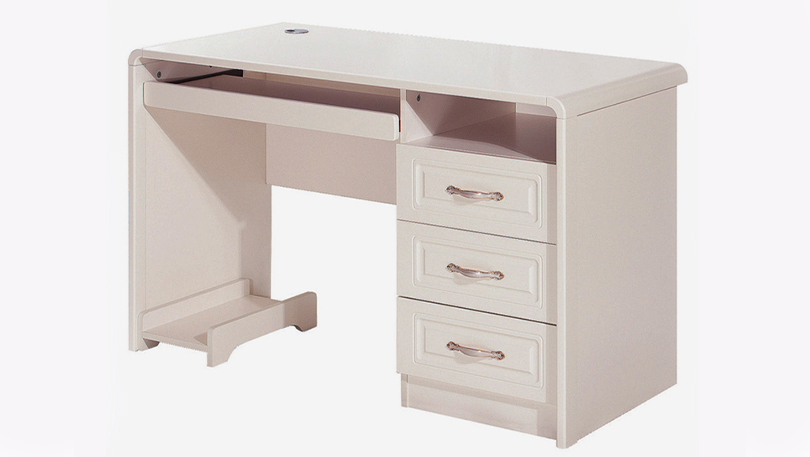
Typical computer tables have heights between 75 cm and 80 cm, which allows you to sit comfortably at your desk without the bottom part of the tabletop rubbing against your thighs. It also keeps your shoulders at a neutral position while you work.
One important factor to consider when choosing your desk is its depth. A 45 cm to 50 cm depth will suffice if a laptop is all you need for work. But if you need your table to hold both a display monitor and laptop, you may need at least a 60 cm depth. Any shorter depth will mean having your devices protruding out the edge of your table, which can be dangerous and even detrimental to your postural health.
An l-shaped desk is also an excellent choice if you need larger surface areas to accommodate multiple gadgets, stationeries or documents.
2) Comfortable Office Chair
Office chairs designed with ergonomics in mind protect workers’ postural health as they remain seated for long hours. Sitting in the wrong chair for extended periods of time can lead to frequent back, neck, and shoulder pains, and hip pressure. And these office chairs can reduce the risk of developing such issues. Here’s what you should look for.
- Seat Width & Depth: A typical office chair should have a seat width between 40 cm and 50 cm. The depth should allow ample space for you to sit with your back against the backrest while leaving only three fingers space (5 cm to 10 cm) between the edge of the seat and the back of your knees.
- Lumbar Support: A lumbar support serves as a backing to our lumbar spine, reducing the strain put on our lower back while seated. A chair with a lumbar support protects the inward curve of our lower back to maintain good postural health.
- Chair Material: Choose breathable materials such as mesh that promote ventilation, which keeps you cool even on the hottest days.
- Adjustability: There is no one-size-fits-all office chair. Hence, adjustability is important as it lets you customise the chair’s support to your body shape.
3) Storage Units
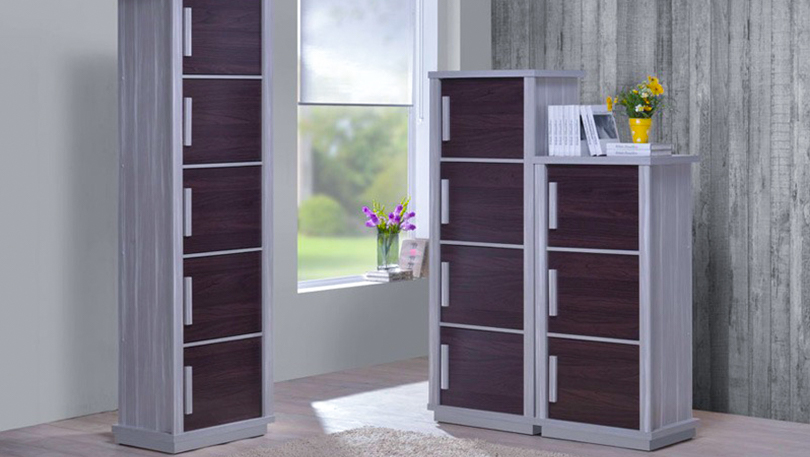
Need to store multiple items around you for easy access while you work? Consider getting a computer table constructed with drawers and shelves if you don’t need a huge space. However, if your job requires you to peruse multiple documents, you may require a filing cabinet to organise and sort them. A filing cabinet is used for storing paper documents neatly. Vertical ones are the most popular choice for small home offices.
Browse a range of essential office furniture such as bookshelves and office chairs online at F31, a furniture store in Singapore providing a variety of home and living essentials. Shop here.